
A Coastal Livelihood Built on Patience and Knowledge
In O Loan Lagoon, lobster cage farming is more than just an economic activity—it is a long-term livelihood closely tied to the sea. Unlike short-term fishing trips, lobster farming requires months, sometimes over a year, of continuous care and monitoring. Farmers must not only tend to the lobsters but also understand the changing conditions of water, weather, and currents, all of which directly impact the growth and health of the stock.
Try lobster cage farming and discover authentic coastal life: Lobster Farming in Floating Cages
The cages used for lobster farming are simple in structure but highly adapted to the marine environment. They are anchored in areas with suitable depth and steady water flow, allowing natural circulation. Each cage functions as an individual “home” where lobsters grow in conditions that closely resemble their natural habitat. From a distance, clusters of cages form what looks like a floating village, creating a distinctive visual identity along the coast.
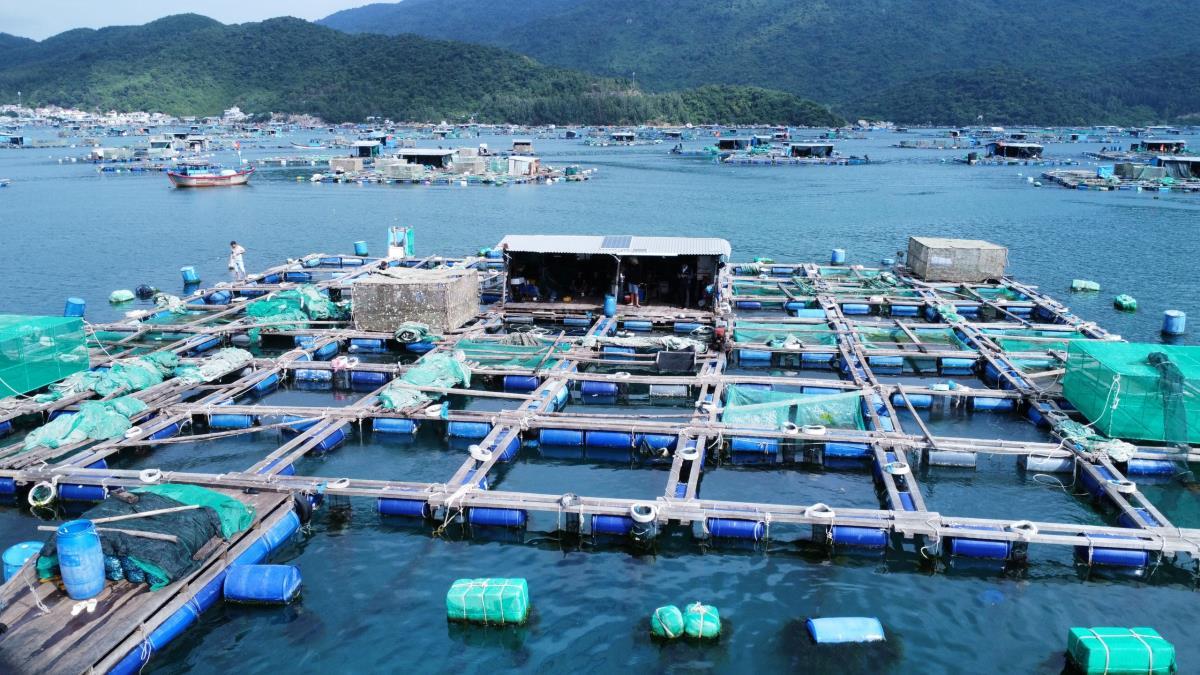
The Farming Process – A Continuous Routine
Lobster farming is not divided into isolated stages but rather a continuous cycle of daily tasks. Farmers feed the lobsters at regular intervals, carefully manage food quantities to avoid waste, and constantly monitor their health. Fresh fish and small seafood are commonly used as feed. In addition, cleaning the cages and maintaining water quality are essential to ensure a stable environment.
Joining this activity allows you to observe and participate in real daily work. The journey typically begins with a boat ride to the farming area, where the environment is open and far from land. You will see how cages are checked, how feeding is done, and how farmers handle practical challenges. This is not a staged activity but a genuine insight into everyday coastal work.
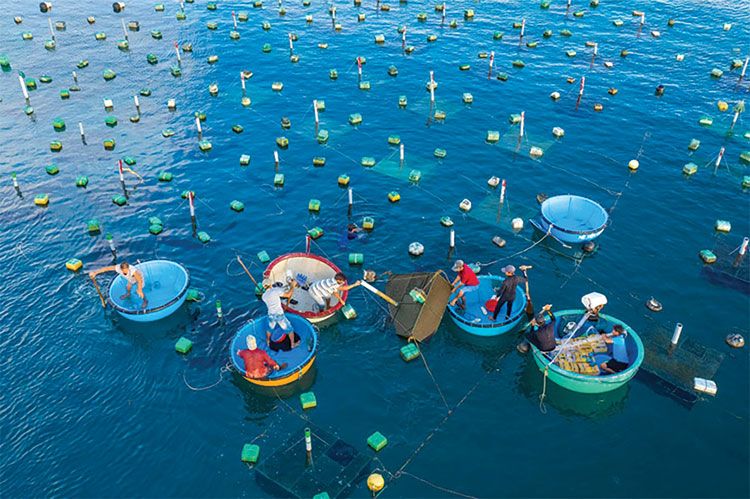
Memorable Moments – Lifting the Cages
One of the most striking moments is when a cage is lifted from the water for inspection. The lobsters, with their hard shells and vivid colors, gradually appear, offering a direct and tangible connection to the farming process. It’s a moment that highlights the effort behind each harvest.
Unlike land-based activities, this experience takes place entirely at sea. You can feel the wind, observe the movement of waves, and see how light changes throughout the day. This natural setting is not just a backdrop but a key factor in understanding why lobster farming depends so heavily on environmental conditions.
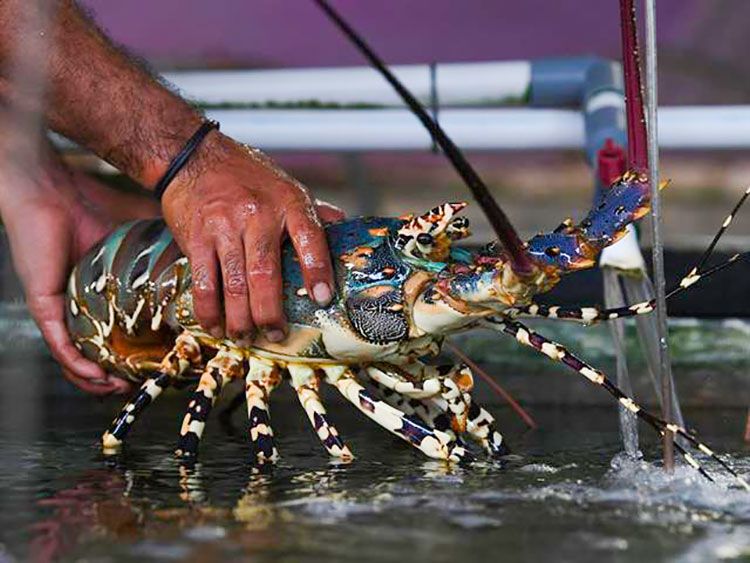
Preparation and Practical Tips
For the best experience, choose days with stable weather and calm seas. Wear simple, comfortable clothing suitable for a marine environment. Follow the guidance of local farmers to ensure safety when moving on boats and near cages, especially on wet and slippery surfaces.
Lobster cage farming provides a deeper understanding of how coastal communities sustain their livelihoods. It reflects a balance between traditional knowledge and natural conditions, offering a more sustainable approach compared to intensive exploitation. Experiencing it firsthand gives you a broader perspective on the relationship between people and the sea.
Discover a simple yet engaging way to connect with nature: Lobster Farming in Floating Cages
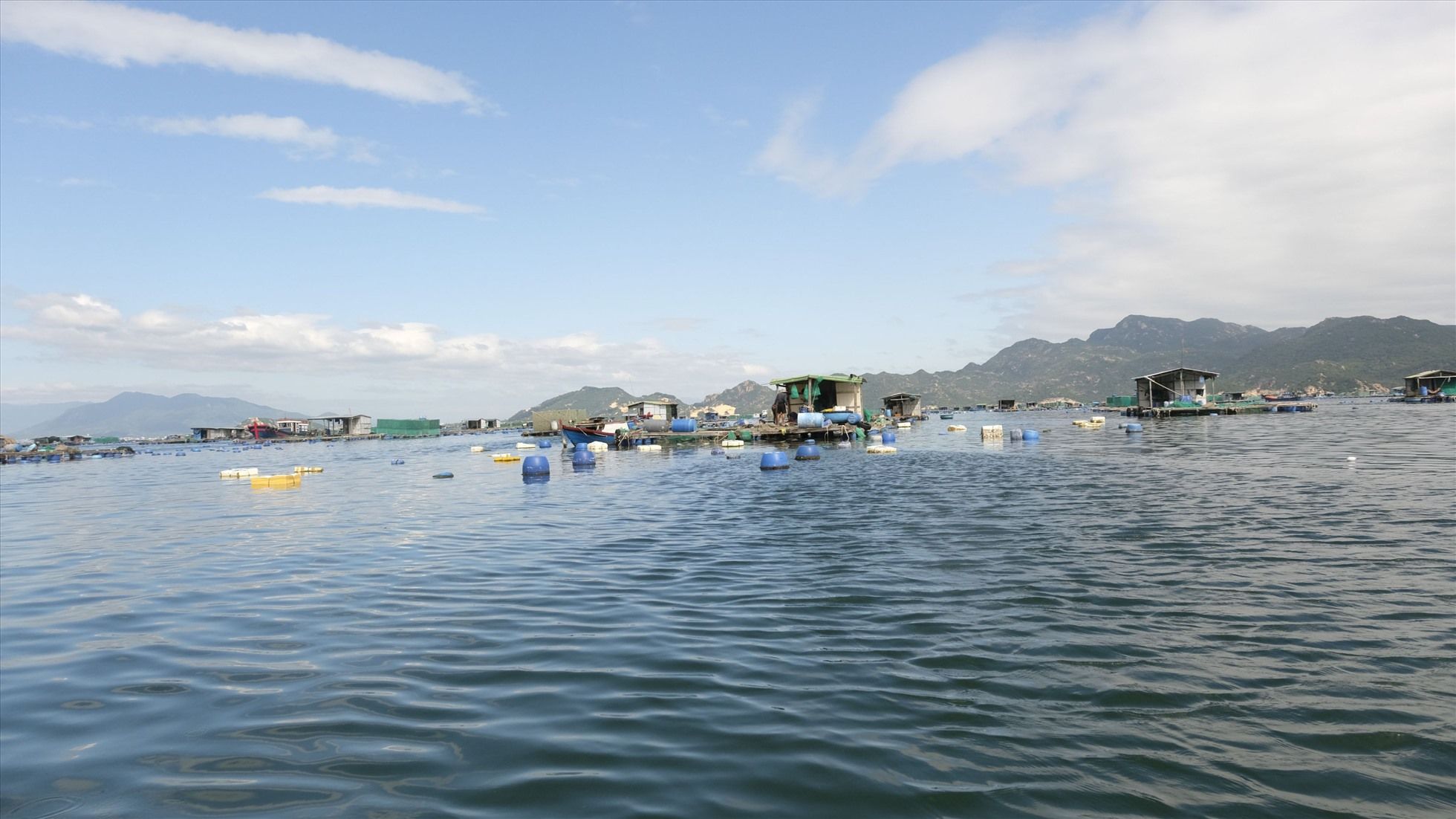
Closing paragraph
We hope this guide gives you a deeper understanding of lobster cage farming—an activity that goes beyond economics and reflects the essence of coastal life in Phu Yen. It’s an ideal experience if you want to move beyond sightseeing and gain real insight into how seafood is cultivated.
For a smoother journey, you can choose to stay at Peace House – a nature-oriented accommodation with convenient access, where you can easily combine multiple experiences. Plan your trip today and enjoy a meaningful and memorable coastal adventure.