
Da Bia Mountain – A Landmark of History and Landscape
Located along the dramatic stretch of Deo Ca Pass, Da Bia Mountain (also known as Thach Bi Son) stands as one of the most recognizable natural landmarks in the region. The massive stone slab at its summit rises sharply above the surrounding terrain, acting almost like a natural monument. Historically, it is believed to have served as a territorial marker during the southward expansion of ancient Vietnamese kingdoms, adding a layer of cultural meaning to what might otherwise be seen as just a scenic peak.
Experience one of Phu Yen’s most iconic outdoor adventures: Trekking Da Bia Mountain
Although the trail is not particularly long, the climb is far from effortless. The route begins with a shaded forest path, gradually transitioning into steeper sections with uneven stone steps and exposed slopes. Certain segments require careful footing and even the use of hands for balance. What makes the trek engaging is not distance, but the continuous elevation gain and the changing terrain that keeps you physically and mentally involved throughout the journey.
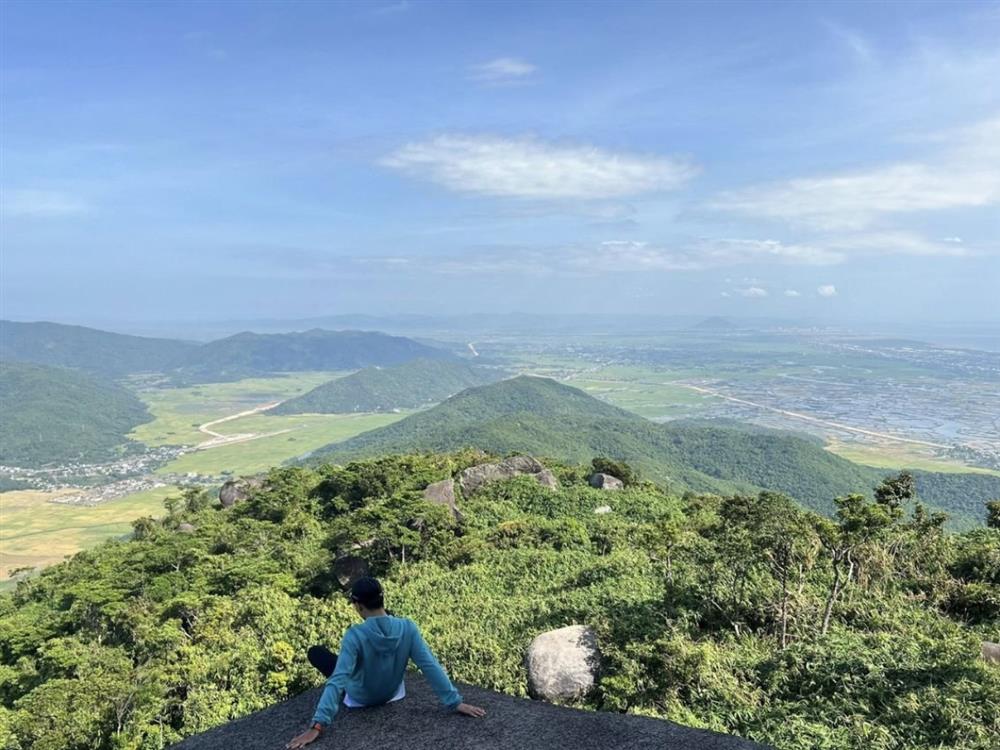
Pacing the Climb – Managing Energy and Focus
One of the key aspects of this trek is maintaining a sustainable rhythm. Moving too quickly can lead to early fatigue, while a steady pace allows you to conserve energy and enjoy the surroundings. The climb naturally teaches you to listen to your body—when to push forward and when to pause. This balance between effort and control is what transforms the hike from a simple walk into a more intentional experience.
As you ascend, the environment subtly shifts. The dense greenery at lower elevations provides shade and a sense of enclosure. Higher up, the forest begins to thin, allowing more sunlight and opening up glimpses of the surrounding landscape. Eventually, the horizon expands dramatically, revealing the coastline, winding mountain roads, and distant ridgelines. This gradual unfolding of scenery makes the journey feel progressive and rewarding.
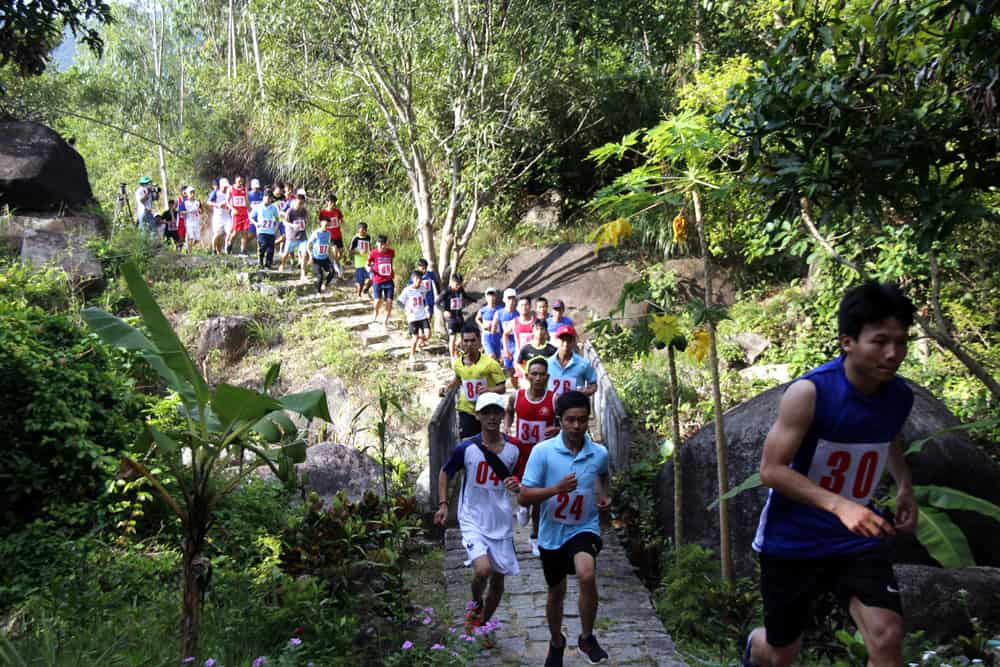
Reaching the Summit – The Defining Moment
At the top, the iconic stone formation dominates the space. Standing near it, you can feel both the scale of the landscape and the effort it took to reach this point. The wind is stronger, the air feels lighter, and the view stretches far beyond what you could see from below. It’s not just a photo opportunity—it’s a moment of pause, reflection, and quiet satisfaction after a steady climb.
Going down may seem easier, but it requires equal attention. The steep sections and uneven steps demand careful movement to avoid slipping. However, descending also gives you a different perspective of the trail, allowing you to notice details you might have missed on the way up.
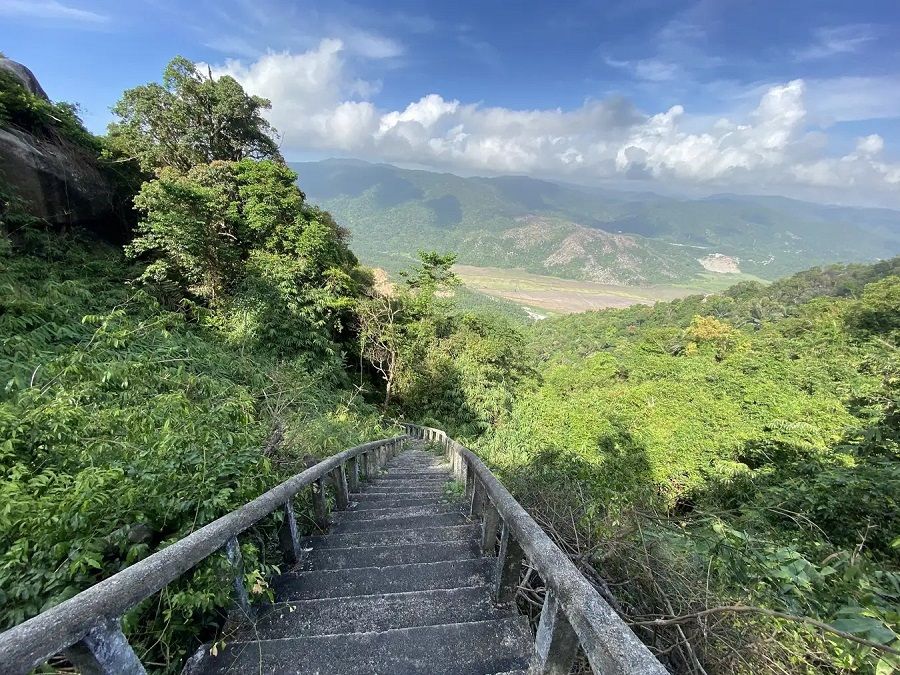
Preparation – Small Details That Make a Difference
A good pair of hiking shoes with grip is essential due to the rocky terrain. Bringing enough water is equally important, especially in warm weather. Light, breathable clothing helps maintain comfort during the climb. Starting early in the morning or later in the afternoon not only avoids heat but also enhances the overall experience with softer light and quieter surroundings.
What makes trekking Da Bia Mountain compelling is its balance. It is challenging enough to feel like an achievement, yet accessible to most people with basic fitness. It offers both physical engagement and scenic reward without requiring specialized equipment or long travel time. More importantly, it creates a clear sense of progression—from forest to open sky, from effort to perspective.
Beyond the physical aspect, the trek invites a slower, more attentive way of experiencing nature. Each step, each change in terrain, and each view contributes to a journey that feels complete in itself. It’s not just about reaching the top, but about everything that happens along the way.
Challenge yourself, enjoy panoramic views, and discover a different side of the region: Trekking Da Bia Mountain
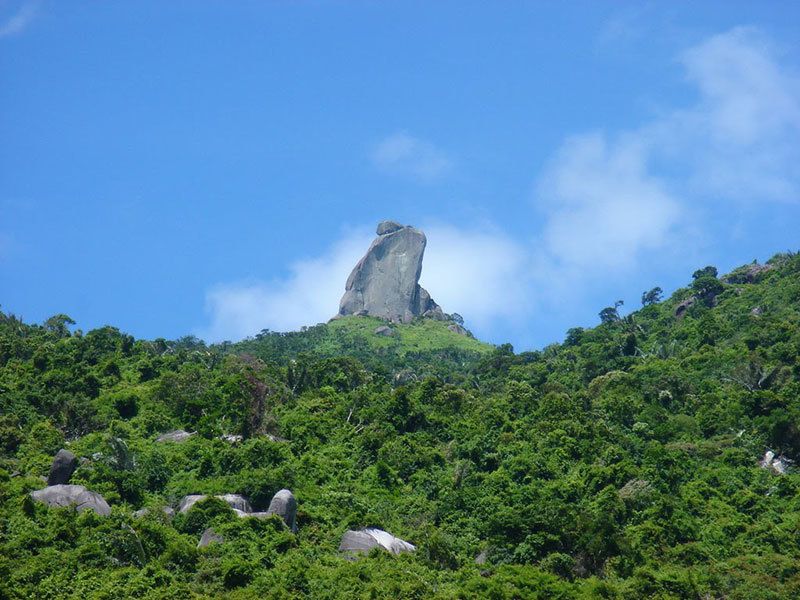
Closing paragraph
We hope this guide gives you a deeper understanding of trekking Da Bia Mountain—not just as a physical activity, but as a complete experience that combines movement, landscape, and perspective.
For easier access and a more comfortable journey, consider staying at Peace House – a nature-oriented base that connects you conveniently to both mountain and coastal experiences.